
Bibury

Arlington Row, riverside walks and one of the Cotswolds’ most photographed villages
Tiny riverside village famous for Arlington Row, Rack Isle and Bibury Trout Farm — iconic Cotswold scenery that is best enjoyed outside peak hours.
Bibury is tiny, famous and exceptionally photogenic. Arlington Row is the image most people have seen before they arrive: a line of historic stone cottages beside the water meadow of Rack Isle, with the River Coln running through the village. The downside of that fame is predictable — this can be one of the busiest small villages in the Cotswolds.
See Arlington Row respectfully
Arlington Row began as a medieval wool store and was later converted into weavers' cottages. The cottages are still homes, so this is somewhere to walk past and admire rather than treat as an attraction you can enter. The lane is narrow and resident access matters; stay on the public route and give people living here their space.
Walk around Rack Isle and the river
The water meadow opposite Arlington Row gives the village more than its famous photograph. Rack Isle takes its name from the racks once used to dry wool and is now an important wetland habitat. A short riverside wander is enough to make Bibury feel more interesting than a single photo stop.
Bibury Trout Farm
If you are visiting with children — or simply want more to do — Bibury Trout Farm turns a quick village visit into a fuller day out. Founded in 1902, it is England's oldest working trout farm and now combines the working fishery with gardens, a café, shop, catch-your-own fishing, barbecues and family activities.
Timing matters here
Bibury is best enjoyed early or later in the day, particularly in good weather. Parking is limited and the village can feel overwhelmed at peak times. If Arlington Row is a must-see on your trip, build the day around arriving outside the busiest middle hours rather than trying to squeeze it between several other popular villages.
Who Bibury suits
Come for one of the Cotswolds' iconic village scenes, the River Coln and a gentle stop between Cirencester and Burford. Families can make more of the visit with the trout farm. If you want a village to spend an entire day browsing shops and restaurants, Broadway, Stow or Burford will give you more; Bibury is about scenery, history and slowing down.
Build the rest of the weekend
Jump straight into the bits most people need next rather than scrolling back through the site.
Eat, drink, explore and linger
Our picks linked to this destination — from pubs and restaurants to museums, walks and family-friendly stops.
No places match this category.
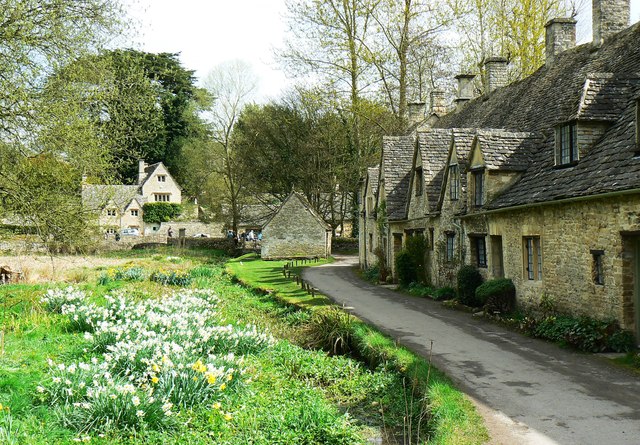 Arlington Row, BiburyArlington Row is Bibury's most recognisable view: a short terrace of seventeenth-century weavers' cottages stepping down towards the Rack Isle.Our pick
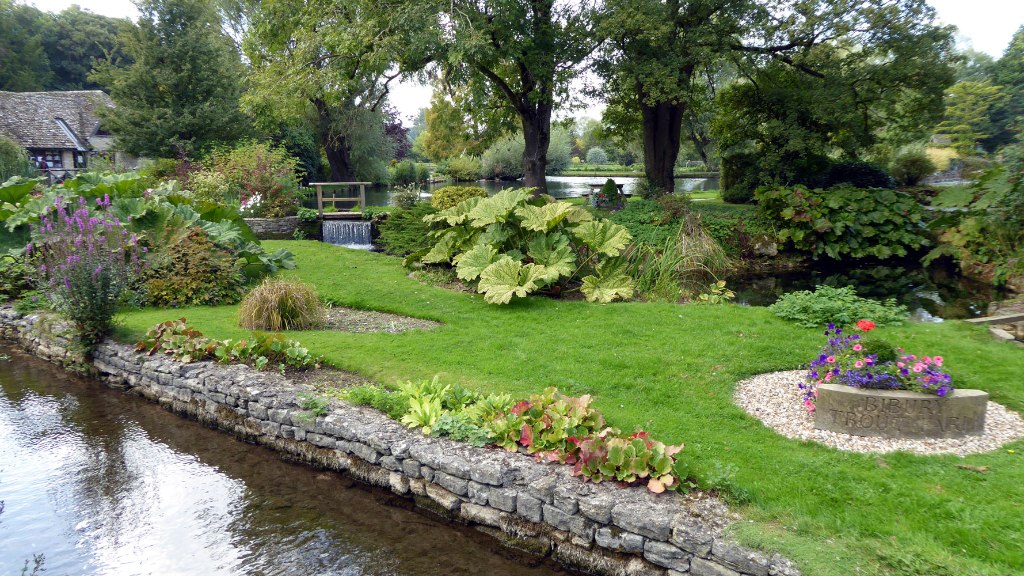 Bibury Trout FarmBibury Trout Farm has been raising trout on the River Coln since the nineteenth century, with clear spring-fed ponds and a working hatchery to explore.Our pick
 The Swan at BiburyA former Cotswold coaching inn beside the River Coln in Bibury, with hotel rooms, gardens and seasonal dining overlooking the river.
 Bibury ChurchyardPeaceful churchyard slightly away from the busiest riverside viewpoints, with old stonework and a slower atmosphere.
 Bibury to Coln St Aldwyns WalkThis gentle riverside walk links Bibury with Coln St Aldwyns through water meadows, footbridges and broad Cotswold views.
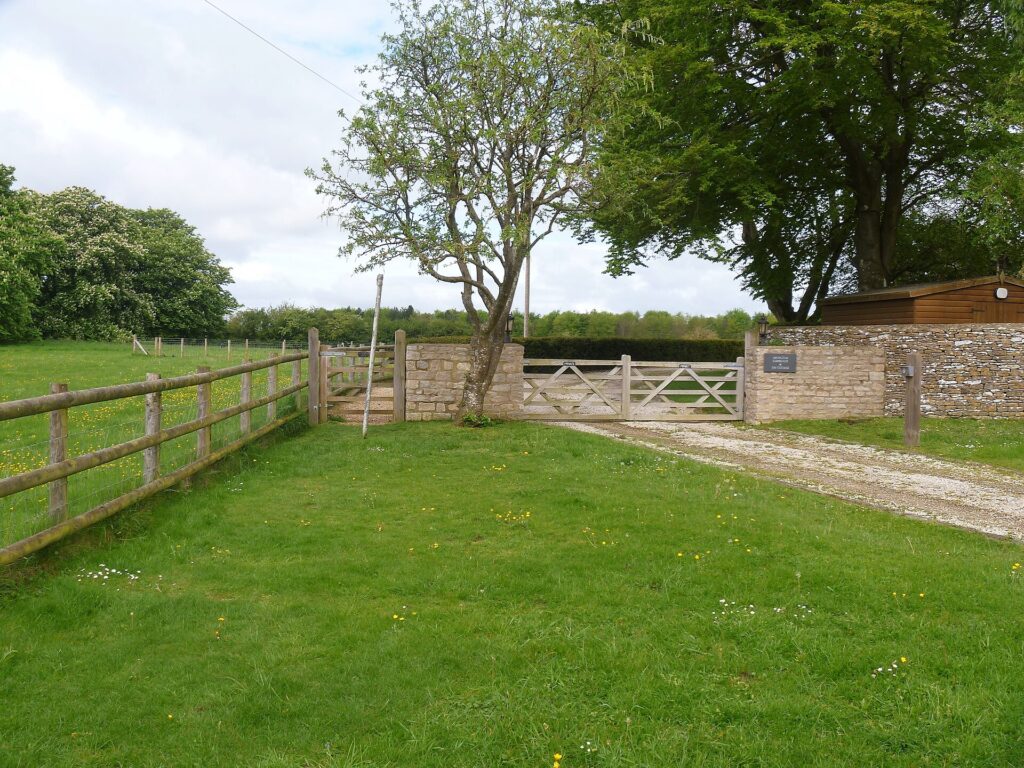 Bibury Village WalkShort village walk linking the river, Arlington Row, churchyard and quieter lanes beyond the main visitor stop.
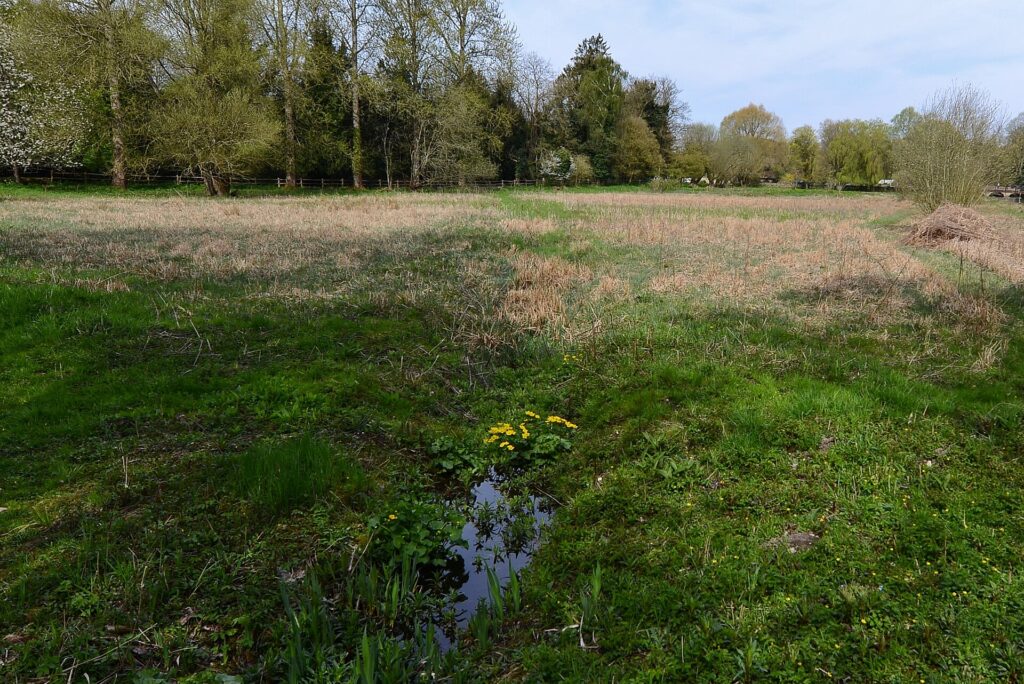 Rack Isle Nature ReserveRack Isle is a small wetland nature reserve on the River Coln, reached from Bibury's central paths and named for the old wool-drying racks.
 St Mary’s Church, BiburySt Mary's in Bibury stands beside the River Coln, a quiet medieval church with a finely carved Saxon coffin lid and traces of the village's wool wealth.
 The New Inn, Coln St AldwynsA village inn with a restaurant and rooms in Coln St Aldwyns, a quiet base for exploring the Coln Valley.
 The Ox Barn at ThymeSeason-led dining in a restored 19th-century barn at the Southrop Manor Estate, with produce from Thyme’s kitchen garden and farm.